Updated: May 2026
What to Expect from a Bali Wellness Holiday in October
- Expect average daily temperatures around 27°C (81°F) with minimal rainfall.
- Benefit from shoulder-season pricing, often 15-25% lower than in July and August.
- Access specialized retreats focusing on biohacking, preventative medicine, and traditional healing.
The air in Ubud hangs thick with the scent of frangipani and burnt offerings. A gentle breeze, a whisper of the coming wet season, rustles the palm fronds overhead. It is early October. The intense, pressing heat of the high season has broken, leaving behind a golden, mellow light that bathes the terraced rice paddies in an ethereal glow. This is Bali not at its most frantic, but at its most profound. This is the month for serious wellness, for those who understand that timing is everything.
The Climatic Sweet Spot: Why October is Bali’s Goldilocks Month
As a travel editor, I am constantly asked for the “perfect” time to visit a destination. For a wellness-focused journey to Bali, my answer is unequivocally October. This month represents a meteorological sweet spot, the gentle exhale between the peak dry season and the onset of the monsoons. Statistically, Denpasar sees an average of just 60-80mm of rainfall in October, a stark contrast to the 350mm that can fall in January. This translates to approximately 9 hours of daily sunshine, affording ample time for the outdoor pursuits that are central to any restorative itinerary. The ocean is equally inviting, with sea temperatures holding steady at a placid 27-28°C (81-82°F), ideal for morning swims or surf sessions.
This temperate climate, with humidity levels dropping significantly from their August highs, has a direct impact on the quality of a wellness experience. Yoga and meditation practices, whether on an open-air platform overlooking the Ayung River gorge or on a black sand beach in the north, are simply more comfortable. Guided treks through the rice fields of Jatiluwih or along the Campuhan Ridge are invigorating rather than draining. According to the official Indonesia Travel portal, this period offers “the best of both worlds.” The landscape, having absorbed months of sun, is lush and vibrant, yet the risk of a full-day washout is minimal. This climatic advantage allows for a seamless integration of indoor treatments and outdoor therapies, a critical component of a holistic wellness schedule.
Navigating the Cultural Calendar: Ceremonies and Spiritual Encounters
To experience Bali in October is to witness the island in a state of spiritual preparation. While the major holidays of Galungan and Kuningan follow a 210-day cycle and may not fall in October every year, the month is dense with local temple ceremonies, or odalan. With over 20,000 temples (pura) on the island, there is a constant, rhythmic hum of devotional activity. This is not a performance for tourists; it is the island’s heartbeat. In my conversations with Balinese cultural authority, Kadek Ardika, he emphasized that October is a time of ngaturang suksma, or giving thanks, before the life-giving rains arrive. This atmosphere of gratitude is palpable and deeply affecting for the mindful visitor.
For the wellness traveler, this provides an opportunity for profound connection that goes beyond a spa treatment. Observing a procession of women carrying elaborate fruit offerings on their heads or hearing the distant, hypnotic sound of a gamelan orchestra are meditative experiences in their own right. I always advise clients to work with a local guide who can explain the symbolism and ensure respectful observation. A simple gesture, like correctly wearing a sarong and sash, shows deference and opens doors to genuine interaction. This cultural immersion is a powerful form of mental and spiritual wellness, reminding us of a worldview where the sacred is woven into the fabric of daily life. It is this unique spiritual ecosystem that elevates a wellness trip here from a simple vacation to a transformative journey.
The Executive Edge: Longevity and Biohacking in the Tropics
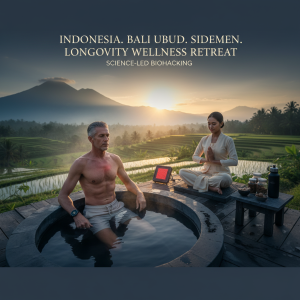
The wellness landscape in Bali has evolved dramatically over the past decade. While the island’s reputation was built on yoga and traditional healing, a new, highly sophisticated sector has emerged, catering to a discerning clientele of executives and entrepreneurs. This new frontier is focused on longevity, preventative medicine, and human optimization. The global wellness tourism market is projected to exceed $1.3 trillion by 2025, and a significant driver of this growth is the demand for science-led, data-driven retreats. October, being outside the main family holiday season, is when these intensive, results-oriented programs truly shine. The demographic shifts to individuals and couples on a specific mission of self-improvement.
Facilities in the Tegallalang and Uluwatu areas now offer services that would be at home in Silicon Valley or Zurich: IV nutrient drips formulated based on bloodwork, full-body cryotherapy chambers, hyperbaric oxygen therapy, and personalized nutrigenomic analysis. Dr. Michael Praptono, a functional medicine specialist I consulted for a Departures feature, noted a 50% increase in requests for “performance and cognitive enhancement protocols” over the last two years. This is precisely the philosophy behind a premier Bali longevity retreat, which integrates cutting-edge diagnostics with ancient healing modalities. The goal is no longer just to relax, but to return home with measurable improvements in biomarkers, cognitive function, and cellular health. It is a proactive investment in one’s greatest asset—personal vitality.
Gastronomy as Medicine: The Island’s Harvest Season
The connection between nutrition and well-being is a cornerstone of Balinese culture, and in October, the island’s natural pantry is overflowing. This month marks a peak harvest time for some of Southeast Asia’s most potent “superfoods.” The fabled mangosteen, with its powerful antioxidant xanthones, is widely available. A single 100-gram serving provides nearly 15% of the daily recommended intake of fiber. Rambutan and passionfruit are also in season, providing a vibrant, nutrient-dense foundation for the island’s burgeoning farm-to-table culinary scene. The philosophy here is simple: food is medicine, and the freshest medicine is the most effective. Many high-end wellness kitchens work directly with local organic farms, with menus changing daily based on what is harvested that morning.
This is also a fantastic time to explore the world of jamu, Indonesia’s traditional herbal medicine. This ancient practice, documented in texts dating back 1,300 years, uses native roots, herbs, and spices like turmeric, ginger, and galangal to create potent health tonics. Modern Balinese chefs are deconstructing and reimagining these traditional recipes. Chef Mandif Warokka of Blanco par Mandif explained to me how he incorporates jamu principles into his tasting menus, using specific ingredients to aid digestion and reduce inflammation. This culinary philosophy is central to the premier science-led Bali longevity retreat for executives, where nutrition is personalized down to the molecular level, ensuring every meal serves a therapeutic purpose. An October visit offers the most vibrant and flavorful expression of this edible wellness.
Beyond Ubud: Coastal Wellness and Marine Therapy
While Ubud remains the spiritual heart of Bali, the island’s wellness offerings have become increasingly decentralized. The dramatic cliff-tops of the Bukit Peninsula, particularly around Uluwatu, have emerged as a hub for a different kind of restoration—one rooted in the power of the ocean. In October, the Indian Ocean groundswell is consistent but less aggressive than in the peak months of July and August. This creates ideal conditions for what is often termed “meditative surfing,” with waves averaging a manageable 3-5 feet. The physical exertion combined with the intense focus required to ride a wave is a powerful antidote to a cluttered mind. Beyond surfing, the concept of “blue mind”—the measurable calming effect that proximity to water has on our brains—is a key element of coastal wellness programs.
This coastal focus also encompasses thalassotherapy, the use of seawater and marine products for their therapeutic benefits. Several luxury spas offer treatments using mineral-rich sea salts, seaweed wraps, and even seawater hydrotherapy pools. The connection to water is a fundamental aspect of Balinese life, from the mountains to the sea, as recognized by the UNESCO World Heritage status of the Subak irrigation system. Discerning travelers are now seeking programs that combine the spiritual depth of the highlands with the restorative power of the coast, a hallmark of a truly comprehensive Bali longevity retreat experience. An itinerary that includes both allows for a complete recalibration of mind, body, and spirit, harnessing the full spectrum of the island’s potent healing energies.
Quick FAQ: Your October Bali Wellness Holiday Questions Answered
What should I pack for a wellness trip to Bali in October?
I advise clients to pack lightweight, breathable fabrics like linen and high-quality cotton. Include modest attire (covering shoulders and knees) for any temple visits, a high-SPF, reef-safe sunscreen, a reusable water bottle to stay hydrated, and any personal supplements. While October is dry, a light, packable rain jacket is a prudent addition for the occasional, brief tropical shower, especially in the highlands around Ubud.
Are mosquitos a significant concern in October?
Mosquito activity is considerably lower than during the wet season (December-March), but they are still present, particularly around dawn and dusk near lush vegetation. All reputable high-end resorts and retreats conduct regular, environmentally-conscious fogging. For personal protection during excursions, we recommend a repellent containing at least 20% Picaridin, which is effective and more pleasant to use than DEET.
How far in advance should I book travel for October?
As a highly desirable shoulder month, booking 3-4 months in advance is advisable for the best selection of flights and preferred accommodations. For specialized, small-group programs, such as an exclusive Bali longevity retreat, a 6-month lead time is often necessary. These programs require pre-arrival consultations and are strictly limited in capacity to ensure a personalized, high-impact experience.
Is it better to stay in one location or move around the island?
For a true wellness immersion of 7-10 days, my professional advice is to base yourself in one primary location, such as Ubud or Uluwatu. This minimizes the physiological and mental stress of packing and transit, allowing for a deeper engagement with your chosen program and its practitioners. A longer trip, say 14 days or more, could comfortably accommodate a dual-center stay to experience both the island’s interior and its coastline.
October in Bali is not merely a vacation; it is a strategic investment in your personal and professional longevity. The confluence of perfect weather, cultural richness, and cutting-edge wellness science creates an unparalleled environment for recalibration. For those who measure life not just in years, but in the quality of performance and vitality, this is the time and the place. The distractions of the peak season have subsided, leaving a clear space for profound work. Explore how a data-driven, physician-led program can redefine your limits by discovering the Bali longevity retreat.